Skip to content
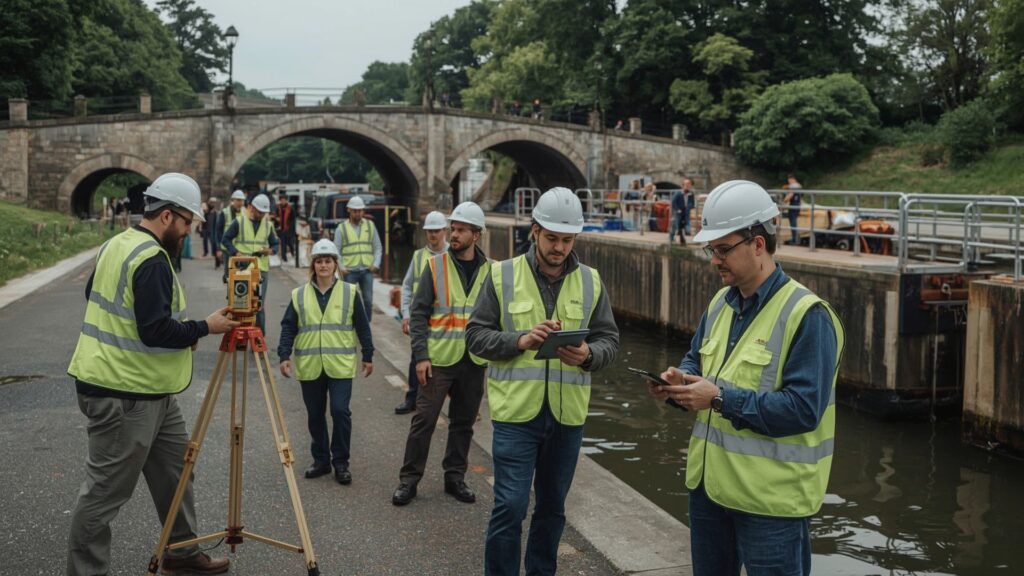
Looking for canal and river trust jobs that pay well? You might be surprised at the salary ranges available, with positions offering anywhere from £18,500 to £60,000. These aren’t just average jobs – they’re careers with purpose.
The Canal & River Trust is the UK’s largest canal charity, managing a vast 2,000-mile network of waterways. Whether you’re interested in canal and river trust careers in London, Birmingham, Manchester, or elsewhere in the UK, there are countless opportunities worth exploring. Additionally, 83% of employees report earning a living wage, with current rates at £12.60 per hour (rising to £13.85 in London).
Waterways provide numerous paths for employment, training, and apprenticeships. From engineering roles to conservation positions, we’ve researched 15 specific jobs that all offer annual salaries exceeding £35,000. This guide will help you understand the qualifications, responsibilities, and career progression for each role, making your job search more focused and effective.
Engineering Technician
Engineering Technicians play a vital role in maintaining the UK’s historic canal network. If you’re considering canal and river trust jobs in this field, here’s what you need to know about this rewarding career path.
Engineering Technician job overview
As an Engineering Technician at the Canal and River Trust, I would help create plans to address various infrastructure issues, provide technical assistance, and develop solutions to manage the Trust’s extensive asset network. My daily responsibilities would include helping to plan and design repairs for the canal network, organizing “stoppages” when needed to drain canals for maintenance work, and ensuring all operations are completed safely, on time, and within budget.
Engineering Technician required qualifications.
The path to becoming an Engineering Technician offers multiple entry routes. Specifically, I would need:
- GCSEs in mathematics, geography, science, and design technology as foundational qualifications
- Further education through T-levels in engineering, apprenticeships, or A-levels in mathematics and physics
- College qualifications such as T-level/HND in engineering or courses in civil engineering, construction, and the built environment
Furthermore, certain skills prove essential for this role:
- Problem-solving abilities
- Strong communication skills
- Teamwork aptitude
- Proactive approach to challenges
- Some mechanical and/or electrical experience (beneficial)
Engineering Technician salary range
Working as an Engineering Technician at the Canal and River Trust offers competitive compensation. Civil engineering roles within the organization can earn between £20,000-£60,000, with Engineering Technicians typically starting in the lower-middle portion of this range and increasing with experience and additional qualifications.
Engineering Technician career path
Once I begin as an Engineering Technician, several advancement opportunities become available. I could pursue part-time studies for a degree or apprenticeship while working. For instance, a Civil Engineer level 6 degree apprenticeship takes approximately 5 years to complete.
With experience, I might advance to senior engineering positions, providing technical advice and guidance to teams and contractors on complex projects. This role serves as an excellent foundation for those interested in specialized canal and river trust careers focused on infrastructure maintenance and development.
Mechanical and Electrical Technician
The Canal & River Trust relies heavily on Mechanical and Electrical Technicians to keep its waterway infrastructure operational. These specialized roles offer excellent opportunities for those with technical skills seeking canal and river trust jobs.
Mechanical and Electrical Technician job overview
As an M&E Technician, I would be responsible for delivering essential maintenance and repair works to mechanical and electrical structures, plant, and equipment across the waterway network. My primary focus would involve isolating power supplies, inspecting control panels, and conducting fault-finding within 400v/240v/24v systems. Moreover, I would need to work independently on many occasions, particularly when maintaining hydraulic systems that operate locks, bridges, and other critical waterway infrastructure. This role directly supports the Trust’s mission to improve safety and increase public use of the inland waterways.
Mechanical and Electrical Technician required qualifications
To succeed in this position, I would need:
- City & Guilds 2391/2 or equivalent for testing and inspection of electrical installations
- NVQ3/C&G in an Electrical Discipline or apprentice training as a multi-skilled maintenance engineer
- Minimum 3+ years’ experience as an Electrical Engineer/Technician/Operative
- Experience with electrical control panel fault finding is considered essential
- Knowledge of mechanical engineering principles, especially hydraulics, is highly desirable
Mechanical and Electrical Technician salary range
The position offers competitive compensation with a salary range of £30,000 – £34,500 depending on experience. Canal & River Trust also provides an Inner London Allowance of £4,000 for those working in London. Consequently, the total package includes 25 days paid holiday plus Bank Holidays (increasing to 27 days after 3 years), a contributory pension scheme, and an annual £200 personal learning allowance.
Mechanical and Electrical Technician career path
Once established in the role, I could pursue several career advancement opportunities. With proper experience, an M&E Technician can progress toward senior technical roles or specialized positions. Initially, I might start with entry-level responsibilities before advancing to more complex systems maintenance.
After gaining substantial experience, potential career paths include:
- Project Management roles overseeing waterway infrastructure upgrades
- Specialized technical positions focusing on particular systems
- Supervisory roles managing maintenance teams
- Engineering Consultant positions after accumulating extensive expertise
Throughout this journey, the Trust provides ongoing training opportunities to develop skills in new technologies and methods.
Hydrology Specialist
Water management is the heartbeat of the Canal & River Trust’s operations, and Hydrology Specialists stand at the forefront of this crucial work. The canal network contains enough water to fill 80,000 Olympic-sized swimming pools, requiring expert management to maintain.
Hydrology Specialist job overview
As a Hydrology Specialist, my primary responsibility would involve monitoring, managing, and modeling water in canals and the reservoirs, rivers, and streams that feed them. I would need to ensure the correct water levels throughout the network so wildlife can thrive, locks function properly, and boats don’t run aground. Since locks open and close approximately 4 million times annually, using thousands of liters of water each time a boat passes through, careful management becomes essential. My role would also include monitoring reservoir levels to plan ahead and conserve water during potential droughts.
Hydrology Specialist required qualifications
To pursue this role, several pathways exist:
- University route: Relevant degrees include environmental science, geography, civil engineering, earth sciences, and ecology
- Apprenticeship path: Starting with an Environmental Practitioner Apprenticeship before specializing in hydrology
- Work experience: Beginning as an assistant hydrologist with a science or environmental degree
Essential skills for success include:
- Strong analytical abilities
- Effective communication and presentation skills
- Data interpretation expertise
- Proficiency with GIS systems and Microsoft applications
- Strategic thinking capacity
- Teamwork aptitude
Hydrology Specialist salary range
The salary range for Hydrology Specialists at the Canal & River Trust ranges from £28,000 for entry-level positions to £45,000 for experienced professionals. Senior hydrologists and modelers with postgraduate qualifications can earn between £43,500 and £45,500. Hence, this role comfortably exceeds the £35,000 threshold.
Hydrology Specialist career path
Once established in this field, I could advance to become a senior hydrologist managing a team of researchers and engineers. Otherwise, consulting opportunities exist with government departments, charities, and commercial companies in areas such as sustainable water use, water engineering projects, and flood risk management. After gaining substantial experience, I might also pursue academic research or university teaching positions in specialized water management fields.
Senior Waterway Operative
The backbone of waterway maintenance operations, Senior Waterway Operatives take on vital responsibilities at the Canal & River Trust. These roles offer practical, hands-on work with above-average compensation and solid career growth potential.
Senior Waterway Operative job overview
As a Senior Waterway Operative, I would work primarily outdoors to maintain, conserve, and improve the extensive waterway network. My responsibilities would extend beyond basic maintenance to include day-to-day management of both volunteers and paid staff. This position represents the front line of canal and river trust jobs, ensuring the historic waterways remain functional and accessible for boaters, wildlife, and recreational users alike.
Senior Waterway Operative required qualifications.
Typically, I could enter this field through:
- University courses in relevant subjects
- Apprenticeship programs
- School subjects such as science and geography provide helpful background knowledge
The role demands practical skills, including:
- Physical fitness for outdoor work
- Problem-solving abilities
- Strong communication for team leadership
- Technical knowledge of waterway infrastructure
Senior Waterway Operative salary range
According to recent data, the average salary for a Waterway Operative at Canal & River Trust falls between £19,000-£24,000 per year. In London specifically, the average is slightly lower at £21,771 per year, which is approximately 3% below the company-wide average. Nevertheless, highly experienced operatives managing teams can earn around £23,000 annually, with potential for additional benefits.
Senior Waterway Operative career path
Afterward, once established in this role, several advancement opportunities become available. I could progress toward:
- Waterway supervisor positions
- Project specialist roles with British Waterways
- Patrol officer positions with the Environment Agency
- Team leader roles, depending on the region
Additionally, opportunities exist to become specialists in heritage or engineering through training programs offered by the Trust. These advancement paths typically come with corresponding salary increases that can push compensation above the £35,000 threshold.
Environmental Engineer
Environmental protection forms a crucial element of the Canal & River Trust’s mission, with Environmental Engineers playing a key role in preserving Britain’s waterways for future generations.
Environmental Engineer job overview
As an Environmental Engineer at the Canal & River Trust, I would help implement environmental management systems and procedures while monitoring compliance with regulatory requirements. My daily responsibilities would involve identifying implications of environmental legislation for Trust activities and providing practical advice to protect both the Trust’s interests and the waterway environment. I would support waste management initiatives, address contaminated land issues, and maintain water quality across various Trust business activities.
My work would include contributing to dredging programs through project prioritization, creating project documentation, and collaborating with Project Managers. I would conduct environmental surveys involving water and sediment sampling while maintaining consistent data management standards.
Environmental Engineer required qualifications.
To qualify for this position, I would typically need:
- A degree in civil engineering, environmental engineering, or physical sciences like chemistry, environmental science, or geology
- Strong analytical and problem-solving abilities
- Excellent communication skills for explaining technical concepts clearly
- Proficiency with technical tools like hydraulic modeling software and GIS
Although not mandatory, obtaining relevant certifications such as Chartered Engineer (CEng) status would demonstrate commitment to excellence in the field.
Environmental Engineer salary range
The salary range for Environmental Engineers at the Canal & River Trust typically starts between £20,000 and £28,000 for entry-level positions. With experience, this increases to between £30,000 and £45,000. Senior engineers, project engineering managers, or chartered engineers can earn between £40,000 and £65,000 or more, comfortably exceeding the £35,000 threshold.
Environmental Engineer career path
Upon establishing myself in this role, I could advance in several directions. I might choose to specialize in particular areas of environmental engineering, such as land reclamation or pollution control. Alternatively, I could pursue management opportunities, supervising other engineers or technicians, or managing entire projects.
Career prospects would be significantly enhanced by obtaining chartered status, which many employers require for senior engineering positions. With substantial experience, I might explore consulting opportunities or move into specialized roles addressing climate change and sustainability challenges.
Ecology Manager
Biodiversity and habitat protection are central to the Canal & River Trust’s mission, making Ecology Managers essential members of the environmental team.
Ecology Manager job overview
As an Ecology Manager at the Canal & River Trust, I would be responsible for protecting and improving environments along the waterways. My duties would include conducting wildlife assessments, advising on soil conditions, land use, biodiversity strategies, and environmental protection. I would need to balance competing needs of boaters, towpath users, and wildlife – often making tough decisions about habitat management. For example, reducing grass cutting allows wildflowers to flourish yet might obstruct towpaths.
Ecology Manager required qualifications.
To pursue this role, I would typically need:
- A degree in ecology, biology, environmental management, botany, zoology, or a similar field
- Experience in ecological surveys and habitat management
- Strong communication and analytical skills
- Problem-solving abilities for balancing environmental concerns with operational needs
Membership in the Chartered Institute of Ecology and Environmental Management (CIEEM) would be advantageous.
Ecology Manager salary range
The salary range for Ecology Managers at the Canal & River Trust typically falls between £22,000 and £42,000. Senior and principal ecologists can earn between £30,000 and £46,000. In some cases, salaries for senior roles may reach up to £75,000. The Trust often offers additional benefits, including flexible working arrangements and professional development opportunities.
Ecology Manager career path
Following this role, I could progress toward senior and principal ecologist positions, becoming more office-based with increased managerial responsibilities. With appropriate experience, I might pursue Chartered Ecologist (CEcol) status through CIEEM. Alternative career paths include specialization in urban planning, ecological restoration, or climate change adaptation work.
Heritage Conservation Officer
The Canal & River Trust network includes remarkable historic treasures – 50 Scheduled Ancient Monuments, 304 conservation areas, and even four World Heritage Sites. These precious assets require dedicated professionals for their protection.
Heritage Conservation Officer job overview
As a Heritage Conservation Officer, my primary duty would involve preserving buildings and structures of special heritage interest. Throughout a typical day, I would inspect historic waterway structures, review building plans, provide technical advice to conservation teams, and ensure all work maintains the authenticity of the network’s history. Additionally, I would research using archives and heritage legislation to prepare comprehensive reports on site conditions.
Heritage Conservation Officer required qualifications.
To enter this field, I would need:
- A degree in subjects like history, geography, cultural heritage studies, building conservation, or archeology
- Postgraduate qualifications in heritage management or historic conservation (highly advantageous)
- Membership of the Institute of Historic Building Conservation (IHBC) (typically required)
- Relevant work experience (often gained through volunteering initially)
Heritage Conservation Officer salary range
The salary at Canal & River Trust starts at £26,293 plus a £3,795 car cash allowance. Across the heritage sector, salaries typically range from £18,500 to £48,000, with senior positions reaching £40,000 to £60,000.
Heritage Conservation Officer career path
Given proper experience, I could advance to senior heritage advisor positions or move between public and private sectors to gain broader experience. Full IHBC membership would enhance prospects for progression to management roles overseeing teams of conservation professionals.
Civil Engineer
Civil Engineers form the structural backbone of the Canal & River Trust, ensuring the historic waterway network remains safe and functional for all users.
Civil Engineer job overview
Civil Engineers primarily design and manage infrastructure projects across the network. Their responsibilities include inspecting assets, assessing conditions, prioritizing repairs, and creating specifications for necessary works. Notably, they help preserve industrial heritage while designing practical solutions for canals, locks, and bridges. When needed, they organize “stoppages” to drain canals for maintenance work.
Civil Engineer required qualifications.
Entry routes into canal and river trust jobs as Civil Engineers include:
- University degree in civil engineering or related field
- Civil Engineer level 6 degree apprenticeship (takes approximately 5 years)
- Foundation degree, higher national diploma, or equivalent qualification
Essential skills encompass problem-solving abilities, teamwork aptitude, communication proficiency, and proactive approach to challenges.
Civil Engineer salary range
The estimated total pay range for Civil Engineers at Canal & River Trust is £31,000-£37,000 annually. Indeed, the average base salary is approximately £34,000. This is roughly 8% lower than the UK national average of £36,684 for similar positions.
Civil Engineer career path
Once established, advancement possibilities include project management roles or specialized technical positions. Many pursue Chartered Engineer (CEng) status through institutions like ICE, often expected at senior levels. Subsequently, opportunities emerge in both public and private sectors, with potential for consulting work.
Flood Risk Manager
Climate change has pushed flood risk management to the forefront of waterway conservation, making Flood Risk Manager positions at the Canal & River Trust increasingly vital.
Flood Risk Manager job overview
In this role, I would develop and implement flood risk management policies while ensuring the Trust meets its Lead Local Flood Authority duties under relevant regulations. My core responsibilities would involve building a robust evidence base for decision-making and serving as the lead technical officer for sustainable urban drainage. Additionally, I would need to collaborate with other risk management authorities to reduce surface water and fluvial flood risks across the canal network.
Flood Risk Manager required qualifications.
To excel in this position, I would need:
- Education to degree level or HND/HNC in an environmental discipline
- Membership in a relevant professional body
- At least three years’ experience in flood risk or sustainable drainage management
- Proven knowledge of relevant legislation, policies, and best practices
Essential skills include excellent communication abilities, data analysis proficiency, and strong project management capabilities.
Flood Risk Manager salary range
The average salary stands at £47,833 annually, with top earners reaching £69,408. The typical range falls between £39,319 (25th percentile) and £58,191 (75th percentile). Interestingly, 71.77% of professionals in this field report satisfaction with their compensation.
Flood Risk Manager career path
Starting at approximately £38,393, the salary can eventually reach £107,413 at the highest seniority levels. Career opportunities exist across local authorities, consultancies, government agencies, academia, and non-governmental organizations. Possible specializations include flood modeling, risk analysis, policy development, and planning.
Water Resource Planner
Strategic planning of water resources sits at the heart of Canal & River Trust operations, making Water Resource Planners indispensable for maintaining the delicate balance of our waterway systems.
Water Resource Planner job overview
As a Water Resource Planner, I would develop strategic plans for effective water management throughout the canal network. My responsibilities would include analyzing population data to assess water demand, predicting future usage patterns, and creating drought management measures. Daily tasks would involve communicating technical issues to stakeholders, enforcing water legislation, and overseeing multiple resource management projects.
Water Resource Planner required qualifications.
To excel in this position, I would need:
- A degree in civil engineering, environmental engineering, urban planning, or natural sciences
- Alternatively, completion of a higher or degree apprenticeship in engineering
- Logical and analytical thinking abilities
- Strong project management experience
- Excellent communication skills for explaining complex water issues
Water Resource Planner salary range
The Canal & River Trust offers competitive compensation, with salaries ranging from £40,000 to £43,395 plus additional benefits like a car cash allowance (£425 per month). Across the industry, water resource planners typically earn between £30,000 and £50,000 annually.
Water Resource Planner career path
Throughout my career progression, I could advance toward becoming a water resources engineer or environmental consultant. Alternatively, with sufficient experience, self-employment as a water resources planning consultant becomes viable.
Canal Infrastructure Project Manager
Project delivery excellence depends upon skilled Canal Infrastructure Project Managers at the Canal & River Trust. These professionals ensure Britain’s historic waterway network receives proper maintenance and improvements.
Canal Infrastructure Project Manager job overview
As a Canal Infrastructure Project Manager, I’d make sure each project runs smoothly from beginning to end, delivered on time, within budget, and built to a high standard. My responsibilities would include planning project timelines, allocating resources, tracking milestones, and communicating with stakeholders throughout the project lifecycle.
Canal Infrastructure Project Manager required qualifications.
Typically, this position requires:
- A degree in Project Management, Civil Engineering, Environmental Science, or a related field
- Membership in professional bodies like ICE, APM, or RICS
- Experience managing infrastructure projects
- Proficiency with project management tools (MS Project, Excel)
Canal Infrastructure Project Manager salary range
At Canal & River Trust, salaries range from £44,000-£46,000 plus a car allowance of £425 monthly. Principal Project Managers earn approximately £55,800. Across the industry, compensation typically falls between £76,239 and £95,299 annually.
Canal Infrastructure Project Manager career path
After gaining experience, I could advance to senior project manager (average UK salary: £61,025), then potentially to director of project management (£97,278). The job market in this field continues growing, with projections showing 11% growth through 2028.
Sustainability Lead
Sustainability serves as a core value at the Canal & River Trust, with Sustainability Leads playing a crucial role in balancing economic, social, and environmental aspects of waterway management.
Sustainability Lead job overview
In this position, I would ensure sustainability principles are integrated into all Trust activities. My responsibilities would involve developing sustainable approaches for sensitive waterway networks, implementing renewable energy solutions, managing waste minimization programs, and overseeing water resource management systems. I would also focus on creating social benefits through local job opportunities and educational initiatives linked to nearby schools.
Sustainability Lead required qualifications.
To succeed, I would need:
- Environmental science, environmental studies, or sustainability degree
- Alternatively, an Environmental Practitioner Level 6 Degree Apprenticeship (taking 5 years to complete)
- Postgraduate training is often necessary
- Essential skills include teamwork aptitude, data management proficiency, research capabilities, analytical thinking, and strong communication.
Sustainability Lead salary range
The salary range typically falls between £25,000 and £50,000, with chartered environmentalists earning approximately £57,000. IEMA Fellows can expect around £80,000.
Sustainability Lead career path
Progression opportunities include specialization in corporate social responsibility, environmental impact assessment, or waste management. Ultimately, I could integrate sustainability into corporate strategy, focusing on renewable energy and climate change initiatives.
Asset Management Engineer
Asset infrastructure maintenance sits at the core of the Canal & River Trust, with Asset Management Engineers ensuring the longevity of this historic network.
Asset Management Engineer job overview
Primarily, I would maintain the Trust’s infrastructure throughout its entire life cycle, allowing visitors to safely enjoy waterways while safeguarding them for future generations. My responsibilities would include undertaking scheduled asset inspections, processing assessments completed by contractors, and providing technical advice during the design, construction, and commissioning phases of projects. Asset management plays a major part in repairing, maintaining, and building structures that control water resources.
Asset Management Engineer required qualifications.
To qualify for this position, I would need:
- Professional qualification in a relevant technical discipline (Degree or HND in Civil Engineering)
- Knowledge of historic infrastructure, preferably in water environments
- Experience in assessing infrastructure risk
- Membership in a relevant professional body like ICE or CIWEM
Ideally, I would be an Incorporated/Chartered Engineer or working toward this status.
Asset Management Engineer salary range
The base salary at Canal & River Trust averages £29,197 annually. However, the typical industry range falls between £32,724 (25th percentile) and £57,124 (75th percentile). Top professionals report earning up to £73,385 yearly. Senior positions offer £44,750-£50,750 plus a car allowance of £425 monthly.
Asset Management Engineer career path
As I gain experience, I could progress toward chartered engineer status through mentorship and development programs. Additionally, opportunities exist to reach higher salary grades through technical expertise development, where management responsibilities might not be required. Alternatively, I might pursue management positions by obtaining business-related qualifications like an MBA.
Senior Ecologist
Wildlife conservation demands expert oversight at the Canal & River Trust, with Senior Ecologists providing crucial ecological expertise across the organization’s extensive waterway network.
Senior Ecologist job overview
As a Senior Ecologist, I would primarily protect and improve wildlife habitats along canals. My responsibilities would include conducting wildlife assessments, providing advice on soil conditions, biodiversity strategies, and balancing ecological needs with public access. Currently, a major focus involves analyzing mowing regimes to promote wildflower growth without impeding towpath access.
Senior Ecologist required qualifications.
To qualify for this position, I would need:
- An academic foundation in ecology or a comparable subject
- Proven experience applying specialist knowledge in business settings
- Membership of CIEEM (desirable)
- Bat license and/or great crested newt license (advantageous)
Senior Ecologist salary range
The estimated total pay ranges between £35,000-£39,000 annually. This includes a base salary averaging £35,000 plus additional compensation of approximately £4,000 yearly. This represents about 17% higher compensation than the UK average for ecologists (£28,900).
Senior Ecologist career path
Besides promotion to leadership positions managing research teams, opportunities exist in sustainable development consulting or biodiversity policy advising. Senior roles typically involve more office-based management work, with salaries potentially reaching £75,000 in top positions.
Operations Manager
Coordinating the complex operational network of Britain’s waterways requires skilled Operations Managers who oversee maintenance, repairs, and enhancement projects throughout the canal system.
Operations Manager job overview
As an Operations Manager at the Canal & River Trust, I would coordinate projects across entire regions while reporting to the Head of Operations. My responsibilities would involve conducting safety audits, identifying training requirements, and supporting various maintenance initiatives. In essence, I would ensure smooth, safe, and efficient operation of water assets while proactively identifying planned work that maintains system integrity and quality.
Operations Manager required qualifications.
To qualify for this position, I would need:
- NEBOSH NVQ Level 3 or equivalent safety qualification
- Excellent MS Office competency
- Strong financial awareness
- Proven record of driving workplace improvements
Practical experience in the utilities or water sector would give me a competitive edge, particularly if I had a background in project management or field operations.
Operations Manager salary range
The estimated total pay range falls between £38,000-£45,000 annually. Precisely, the average base salary at Canal & River Trust is £42,000. Throughout the industry, Operations Managers earn around £51,739 per year, making Canal & River Trust’s compensation about 25% below the national average.
Operations Manager career path
Initially, the position offers opportunities to gain experience managing teams and projects. Afterward, I could advance toward senior management roles overseeing larger geographical areas or specialized operations. Additionally, obtaining qualifications like the Level 4 Diploma in Water Industry Operations and Management would enhance my progression prospects.
Comparison Table
| Job Title | Typical Salary Range | Key Qualifications Required | Core Responsibilities | Career Progression |
| Engineering Technician | £20,000-£60,000 | GCSEs in mathematics, geography, science; T-levels/HND in engineering | Plan repairs, organize canal maintenance, and provide technical assistance | Senior engineering positions, technical advisor roles |
| Mechanical & Electrical Technician | £30,000-£34,500 | City & Guilds 2391/2, NVQ3/C&G in Electrical Discipline | Maintain mechanical/electrical structures, perform fault-finding, and perform system repairs | Project Management, specialized technical roles |
| Hydrology Specialist | £28,000-£45,000 | Degree in environmental science, geography, or civil engineering | Monitor water levels, manage reservoirs, and model water systems | Senior hydrologist, consulting roles |
| Senior Waterway Operative | £19,000-£24,000 | Science and geography background, apprenticeship programs | Maintain waterways, manage volunteers, and perform conservation work | Waterway supervisor, patrol officer positions |
| Environmental Engineer | £20,000-£65,000 | Degree in civil/environmental engineering or physical sciences | Implement environmental systems, waste management, and water quality monitoring | Specialized roles, project management positions |
| Ecology Manager | £22,000-£42,000 | Degree in ecology, biology, or environmental management | Wildlife assessments, biodiversity strategies, habitat management | Senior/principal ecologist roles |
| Heritage Conservation Officer | £18,500-£48,000 | Degree in history, heritage studies, or archeology | Preserve historic structures, review building plans, technical advice | Senior heritage advisor positions |
| Civil Engineer | £31,000-£37,000 | Degree in civil engineering, level 6 apprenticeship | Design infrastructure, assess conditions, and manage repairs | Project management roles, Chartered Engineer status |
| Flood Risk Manager | £39,319-£58,191 | Degree in environmental discipline, professional body membership | Develop flood risk policies, technical leadership, and risk assessment | Consulting, policy development roles |
| Water Resource Planner | £30,000-£50,000 | Degree in civil engineering or environmental engineering | Analyze water demand, create management plans, and enforce legislation | Water resources engineer, environmental consultant |
| Canal Infrastructure Project Manager | £44,000-£95,299 | Degree in Project Management or Civil Engineering | Oversee infrastructure projects, resource allocation, and timeline management | Senior project manager, director positions |
| Sustainability Lead | £25,000-£50,000 | Environmental science degree or Level 6 apprenticeship | Develop sustainable approaches, manage resources, and implement initiatives | Corporate strategy roles, environmental impact assessment |
| Asset Management Engineer | £32,724-£57,124 | Degree/HND in Civil Engineering, professional body membership | Infrastructure maintenance, asset inspections, and technical advice | Chartered engineer status, management positions |
| Senior Ecologist | £35,000-£39,000 | Degree in ecology, CIEEM membership | Wildlife assessments, habitat protection, biodiversity strategies | Leadership positions, consulting roles |
| Operations Manager | £38,000-£45,000 | NEBOSH NVQ Level 3, safety qualifications | Coordinate projects, conduct safety audits, and provide maintenance oversight | Senior management roles, specialized operations |
Final Thoughts:
Finding a well-paying career with purpose certainly makes the Canal & River Trust an attractive option for job seekers. Throughout this guide, we’ve explored 15 diverse roles that offer annual salaries exceeding £35,000, demonstrating the value placed on skilled professionals who maintain Britain’s historic waterway network.
The salary ranges across these positions vary significantly, from Engineering Technicians potentially earning up to £60,000 to Project Managers commanding salaries approaching £95,000. Additionally, many roles offer supplementary benefits such as car allowances, pension contributions, and professional development opportunities.
What stands out about these careers extends beyond compensation. Each position contributes meaningfully to preserving 2,000 miles of canals and rivers while balancing environmental protection, heritage conservation, and public access. Therefore, professionals seeking both financial stability and purposeful work might find their ideal match within this organization.
Career progression paths appear robust across all departments. Entry-level positions often lead to senior management roles, while technical specialists can pursue chartered status or consultancy opportunities. The Trust supports professional development through training programs and mentorship.
Qualifications required for these roles typically include relevant degrees, professional certifications, and practical experience. However, multiple entry paths exist through apprenticeships and vocational qualifications, making these careers accessible through various routes.
Should you consider pursuing canal and river trust jobs? The evidence suggests these positions offer competitive salaries, meaningful work, and clear advancement paths. Your skills could help maintain this vital part of British heritage while building a rewarding career that pays well above average.